
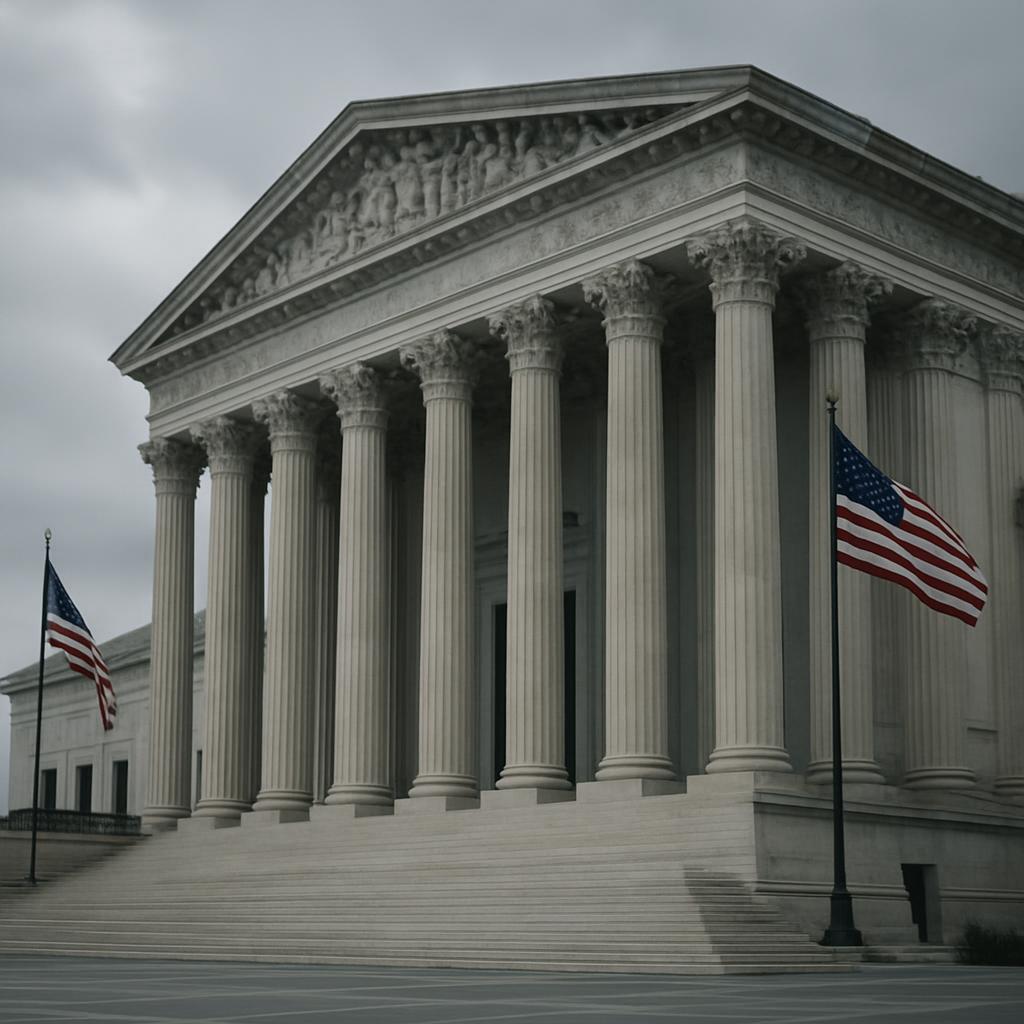
Washington saw a dense cluster of legal, political and policy developments on Wednesday, spanning the Supreme Court, immigration enforcement, health care and foreign policy, according to recent reporting from major national outlets tracking the day's events.
At the center of the legal news was a Supreme Court case out of Missouri that appears poised to deal a setback to Republican redistricting ambitions in the state, with justices signaling skepticism toward the GOP's approach during oral arguments. Separately, a federal appeals court rejected a Trump administration policy on immigration detention, a ruling that sets up a likely path to the Supreme Court and adds to a growing docket of immigration-related legal battles working through the federal courts.
On the domestic policy front, the Trump administration is pressing forward with a sweeping proposed overhaul of the U.S. census, a move critics warn could exclude millions of residents from the official count, potentially reshaping congressional apportionment and altering the distribution of federal funding across states. The proposal is likely to draw legal challenges and intense scrutiny from lawmakers on both sides of the aisle given its potential to reshape political representation for the next decade.
President Trump also made news on health care, promising $500 rebate checks tied to the Affordable Care Act for roughly one million enrollees across 30 states. The announcement comes amid ongoing debate in Washington over the future of Obamacare subsidies and comes as the administration seeks to frame its health policy record ahead of upcoming political battles.
Meanwhile, the White House found itself defending President Trump's decision to give a $45,000 gift to his executive assistant, Natalie Harp, and others, an issue that surfaced in briefings this week and drew questions from reporters about the nature and propriety of the payments.
On the foreign policy front, Secretary of State Marco Rubio is concluding a tour of South America centered on combating drug cartels, with a final stop in Peru. The trip underscores the administration's continued emphasis on hemispheric security and counter-narcotics cooperation as a foreign policy priority. Separately, officials indicated ongoing contact between the United States and Iran, though details of the current state of those discussions remain limited.
Taken together, the day's developments illustrate the breadth of issues currently occupying Washington: unresolved legal fights over redistricting and immigration policy, a contentious push to reshape how the population is counted, continued wrangling over health care costs, and an active foreign policy agenda in Latin America and the Middle East. With the Supreme Court, federal appeals courts, Congress and the executive branch all engaged simultaneously on high-stakes matters, political observers expect these threads to continue generating headlines in the days ahead.