
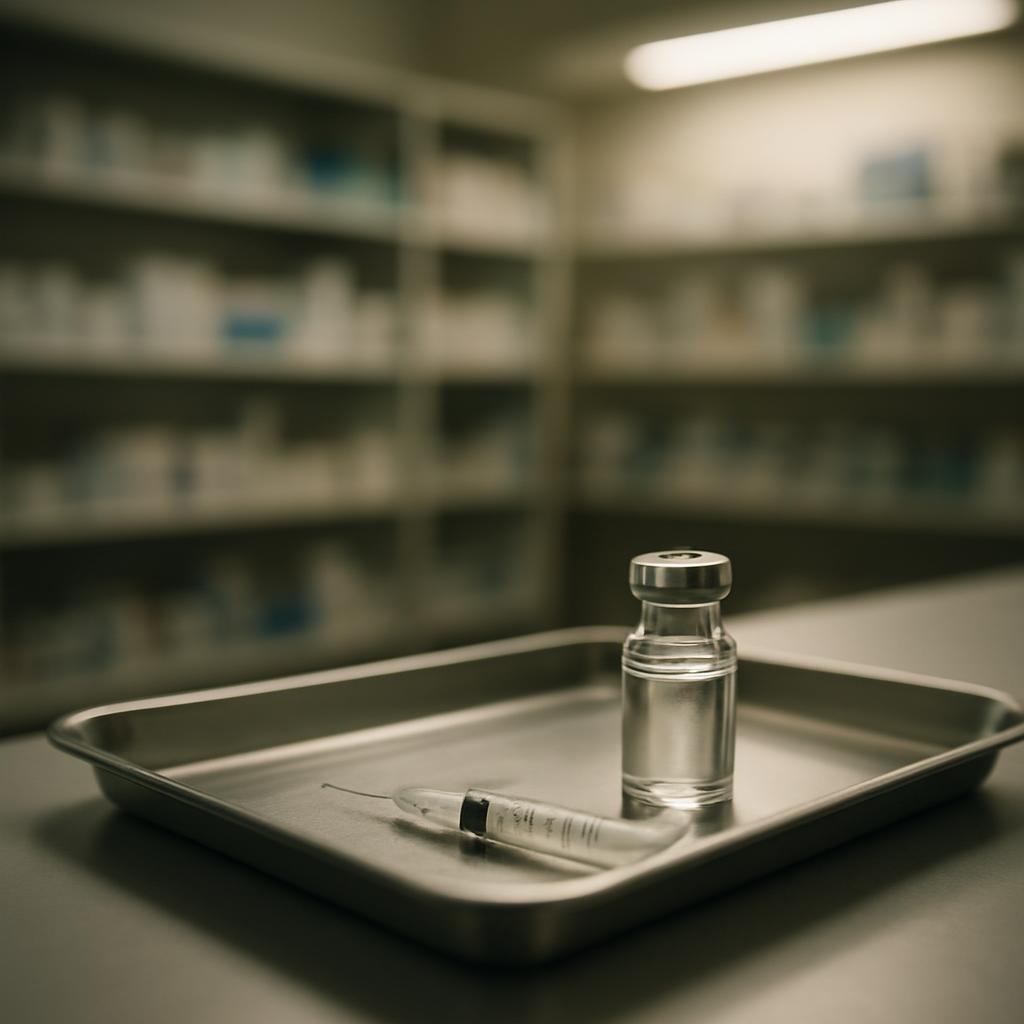
The U.S. Food and Drug Administration announced on October 20, 2026 that it has approved Hibsago (bepirovirsen) injection, the first antisense oligonucleotide drug cleared to treat chronic hepatitis B, in a move the agency says could let some patients eventually stop lifelong antiviral therapy altogether, according to the official release. The approval, granted to drugmaker GSK plc, applies to certain adults without cirrhosis who have been on HBV antiviral therapy for at least six months and meet specific blood test thresholds.
Key takeaways
- The FDA approved Hibsago (bepirovirsen) on October 20, 2026, the first antisense oligonucleotide approved to treat chronic hepatitis B.
- It is approved for certain adults without cirrhosis already on antiviral therapy with suppressed HBV and HBsAg levels of 3,000 IU/mL or less.
- Across two clinical trials, 24% of Hibsago patients met requirements to stop their existing medicine, versus none on placebo; 19% maintained viral control 24 weeks after stopping all treatment.
- The drug carries a boxed warning for serious liver reactions and low platelet counts, and the FDA simultaneously authorized a companion diagnostic test from Roche.
What the Approval Covers
Hibsago is approved for use in combination with existing antiviral therapy to treat chronic hepatitis B virus infection in certain adults without cirrhosis, according to the FDA. Eligible patients must have been taking HBV antiviral therapy for at least six months, have suppressed levels of HBV in their blood, and have hepatitis B surface antigen (HBsAg) levels of 3,000 IU/mL or less, as determined by an FDA-authorized test.
The drug works differently from existing hepatitis B treatments: it targets the genetic instructions the virus uses to copy itself and make viral proteins, which the FDA says helps reduce the amount of virus and surface antigen circulating in the body. Patients inject Hibsago under the skin for up to 24 weeks while continuing their existing hepatitis B medicine, which must continue for at least 24 weeks after the last Hibsago injection.
"For many people living with chronic hepatitis B, treatment can mean taking antiviral medication for years to keep the virus suppressed," said Wendy Carter, DO, Acting Director of the Office of Infectious Diseases in the FDA's Center for Drug Evaluation and Research. "Hibsago provides a new treatment approach that gives some patients the possibility of maintaining control of the virus after all chronic HBV treatment has ended. This approval represents an important advance for people living with this serious disease."
The Trial Numbers
The FDA's approval rests on data from two clinical trials that compared Hibsago against a placebo, an inactive treatment. Across those two trials, 24% of patients who received Hibsago met the health and lab test requirements needed to stop their existing hepatitis B medicine entirely, compared with none of the patients who received placebo.
Among those who did stop all treatment, the results were more modest but notable: 24 weeks after stopping, 19% of patients who had received Hibsago still had the virus under control and could not have HBsAg, the protein that signals hepatitis B infection, detected in their blood. The FDA release does not state how many total patients were enrolled in the two trials or their locations.
| Measure | Hibsago group | Placebo group |
|---|---|---|
| Patients meeting criteria to stop existing medicine | 24% | 0% |
| Patients with virus controlled and undetectable HBsAg 24 weeks after stopping all treatment | 19% | Not stated |
| HBsAg threshold for eligibility | 3,000 IU/mL or less | Not applicable |
| Minimum prior antiviral therapy duration required | 6 months | Not applicable |
Safety Warnings and Monitoring Requirements
Hibsago carries a boxed warning, the FDA's strongest safety alert, for serious liver reactions and for low platelet counts, which can increase the risk of potentially life-threatening bleeding. The drug also carries warnings for worsening kidney function, serious inflammatory reactions such as vasculitis, and serious risks if the injection is not administered properly.
Because of these risks, the FDA states that patients need regular blood tests and follow-up with their healthcare provider both before and during treatment. The most common side effects, excluding laboratory abnormalities, are injection site reactions, fever, fatigue and headache, according to the release.
Alongside the drug approval, the FDA authorized the Roche Elecsys HBsAg II quant II RxDx assay as a companion diagnostic device. The test is meant to help identify which patients with chronic HBV infection qualify for antiviral therapy under the approved drug labeling and to monitor them throughout treatment.
Why Hepatitis B Treatment Matters Nationally
Chronic hepatitis B is a long-term liver infection caused by the hepatitis B virus that, left unmanaged, can lead to serious liver disease including cirrhosis and raises the risk of liver cancer, the FDA notes. Current standard care generally involves daily antiviral medication that many patients take for years, sometimes indefinitely, to keep the virus suppressed rather than eliminate it.
The FDA, an agency within the U.S. Department of Health and Human Services, is responsible for assuring the safety and effectiveness of human drugs and biological products sold nationwide, meaning any approval like this one applies uniformly across all states rather than varying by region. For patients and clinics managing hepatitis B across the country, a therapy offering even a modest chance of stopping treatment altogether represents a shift from the current model of continuous, open-ended medication.
Hibsago received Fast Track and Breakthrough Therapy designations along with Priority Review from the FDA, designations the agency uses to speed the development and review of drugs addressing serious conditions with unmet medical need.
Frequently asked questions
Who is eligible to receive Hibsago?
The FDA approved Hibsago for certain adults with chronic hepatitis B who do not have cirrhosis, have been on HBV antiviral therapy for at least six months, have suppressed HBV levels in their blood, and have hepatitis B surface antigen (HBsAg) levels of 3,000 IU/mL or less as measured by an FDA-authorized test.
How is Hibsago administered?
Hibsago is injected under the skin for up to 24 weeks while patients continue taking their existing hepatitis B medicine, which must continue for at least 24 weeks after the final Hibsago injection. Some patients may then be able to stop their existing medicine if they meet certain health and lab test requirements, according to the FDA.
What are the main safety risks of Hibsago?
Hibsago carries a boxed warning for serious liver reactions and low platelet counts, which can raise the risk of life-threatening bleeding. It also has warnings for worsening kidney function, serious inflammatory reactions like vasculitis, and risks from improper injection, which is why the FDA says patients need regular blood tests and provider follow-up.