
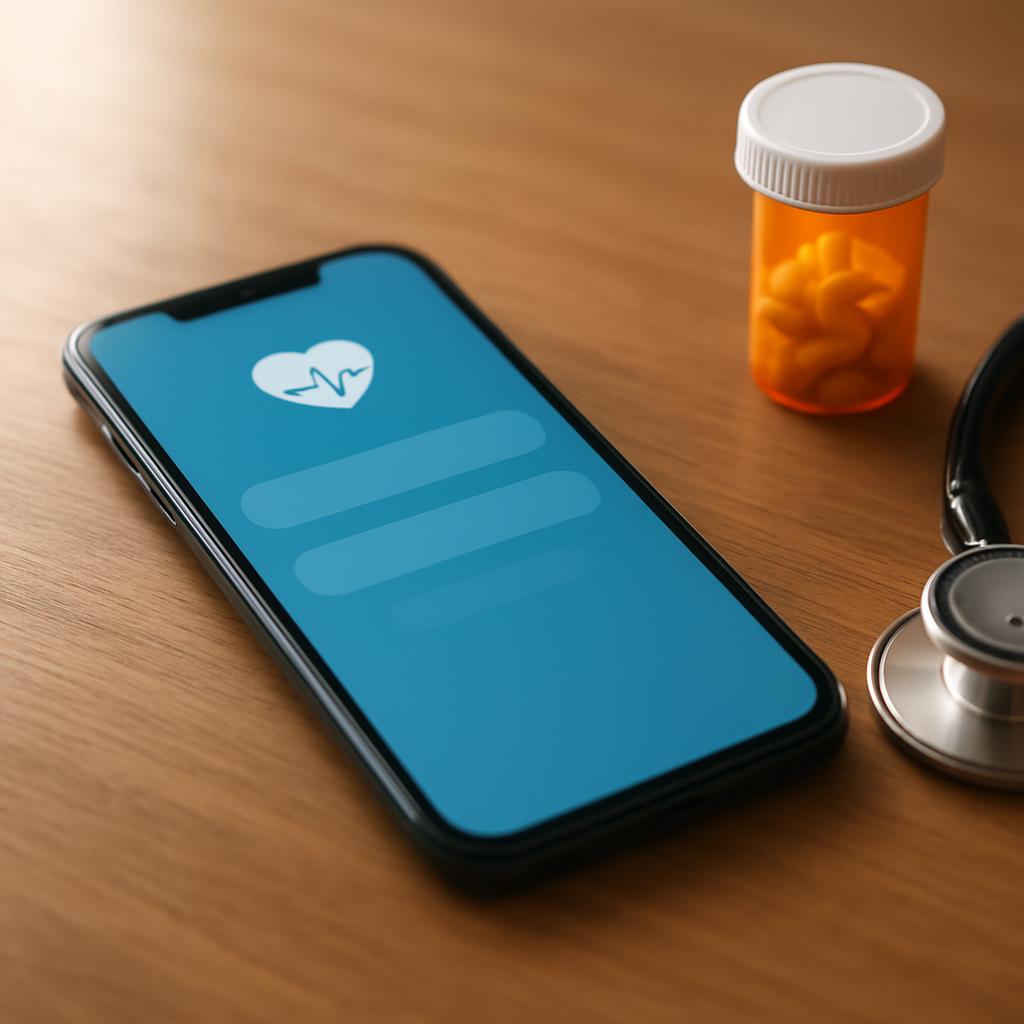
The U.S. Food and Drug Administration on October 20, 2026 released final guidance establishing a clear framework for how drug companies can develop, distribute and label apps used alongside their prescription medicines, according to the official release. The policy is meant to end what the agency calls longstanding uncertainty over when app content triggers FDA submission requirements and when it must be mentioned on a drug's label.
Key takeaways
- The FDA issued final guidance on October 20, 2026, creating a framework for how drug companies develop, distribute and label apps used alongside prescription medicines.
- The guidance splits companion software into two categories: apps connected to a medical device and standalone apps such as symptom trackers or dose reminders.
- Device-connected apps generally must be described on a drug's official prescribing label, while standalone apps only need labeling if a company proves they are essential for safe use or offer a meaningful clinical benefit.
- Most content shown by companion apps will be treated as promotional material, the same way the FDA handles other drug advertising.
What the Guidance Covers
The final guidance addresses three questions the FDA says industry has repeatedly raised: when app content counts as FDA-required labeling versus promotional labeling, when an app should be referenced in a drug's official prescribing information, and what materials companies should submit to the agency when they distribute app content to users.
"Mobile apps are playing a growing role in how patients manage their medications and health conditions," said Captain Chris Wheeler, Pharm.D., Director of the Division of Medical Policy Programs within FDA's Center for Drug Evaluation and Research, according to the agency's release. "This guidance helps ensure that the information these tools provide is accurate, evidence-based, and clearly communicated to both patients and their providers."
The agency frames the document as part of a broader effort to modernize its regulatory approach to digital health technologies, which it describes as an area "evolving rapidly" and holding "significant promise for improving patient care."
Two Categories of Companion Software
The guidance divides drug-connected apps into two groups with different labeling expectations, according to the FDA.
- Device-connected apps: Software paired with a medical device, such as an app linked to an asthma inhaler, generally should be described on the drug's official prescribing label, given what the FDA calls the central role the software plays in how the medicine is used.
- Standalone apps: Tools such as symptom trackers, dose reminders, or health coaching apps should appear on the prescribing label only if the company can show the app is essential for safe and effective use or can demonstrate a meaningful clinical benefit.
For most standalone tools, the FDA says content displayed to users will be treated as promotional material, consistent with how the agency handles other drug advertising rather than as formal prescribing information.
Headline Figures at a Glance
Because this release is a policy announcement rather than a statistical report, the FDA did not publish enrollment, sales or usage figures alongside the guidance. The table below reflects the categories and status the agency did specify.
| Measure | Latest figure | Previous/comparison figure | Change |
|---|---|---|---|
| Guidance status | Final guidance issued | Not stated | Not stated |
| Release date | October 20, 2026 | Not stated | Not stated |
| Categories of companion software defined | 2 (device-connected, standalone) | Not stated | Not stated |
| Key questions addressed for industry | 3 | Not stated | Not stated |
Why the FDA Is Weighing In Now
The FDA, an agency within the U.S. Department of Health and Human Services, is responsible for assuring the safety, effectiveness and security of human and veterinary drugs, vaccines, other biological products and medical devices, along with overseeing the nation's food supply, cosmetics, dietary supplements, radiation-emitting products and tobacco products. Within that mission, the Center for Drug Evaluation and Research (CDER) reviews prescription drugs and increasingly the software tools that accompany them, from inhaler-connected sensors to app-based symptom trackers.
Historically, companies seeking to pair an app with a prescription drug faced unclear rules about whether that software counted as official labeling, subject to the same FDA review as the drug's package insert, or as promotional material governed by advertising rules. The new guidance is intended to resolve that ambiguity by laying out risk-based criteria, so that apps playing a central role in how a medicine is used face closer labeling scrutiny than tools that are merely supportive, such as reminder apps.
"This guidance reflects FDA's commitment to responsible, risk-proportionate oversight of digital health, an area that is a key priority for the agency," said Michael Davis, M.D., Ph.D., Director of FDA's Center for Drug Evaluation and Research, per the release. "By aligning our approach across drug and device centers, we are giving developers a clear and consistent pathway to bring safe, effective digital health technologies to patients." The move follows a pattern of the agency finalizing rules intended to bring predictability to fast-moving corners of health policy, a dynamic also visible in the recent finalized Medicare Part B drug pricing model.
Industry and Technology Reaction
Jared Seehafer, M.S., FDA Deputy Commissioner for Technology, said in the release that "companion apps are quickly moving beyond simple dose reminders toward tools that adapt to each patient," adding that "finalizing this guidance gives drug companies and their technology partners a stable foundation to build on as these technologies advance and helps ensure patients and providers can trust the information they receive."
The FDA says the guidance aims to reduce unnecessary uncertainty for developers and manufacturers while preserving existing safety and effectiveness standards relied upon by patients and healthcare providers. The agency's statement does not specify an effective date for compliance, a transition period, or a schedule for further rulemaking beyond confirming the guidance is now final and available on the FDA's website.
Frequently asked questions
When does the new guidance take effect?
The FDA's release states the guidance was issued as final on October 20, 2026, but does not specify a separate compliance date or transition period for drug companies.
Which companies does this guidance affect?
It applies to drug manufacturers that develop or distribute apps and software used alongside their prescription medicines, including both device-connected apps like inhaler sensors and standalone tools such as symptom trackers and dose reminders, according to the FDA.
Will all drug-related apps now require FDA review?
No. The FDA says most content displayed by companion apps will be treated as promotional material, similar to other drug advertising, with labeling requirements applying mainly to device-connected apps or standalone apps shown to be essential for safe use or clinically beneficial.