
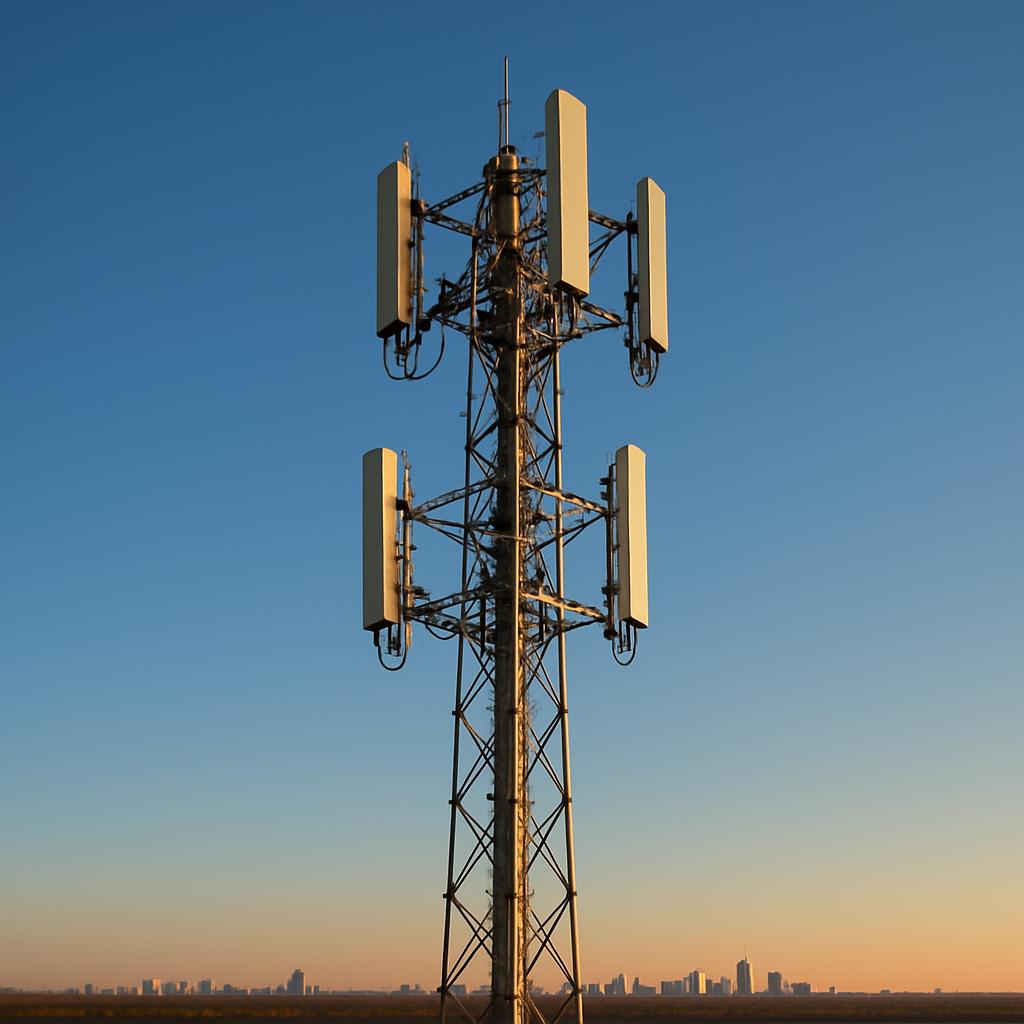
Yes, LTE will eventually be phased out, but not suddenly and not completely for many years. Major wireless carriers have signaled that 4G LTE networks will remain operational well into the 2030s, running alongside 5G rather than being switched off in the near future. For most consumers, this means LTE will continue to function as a reliable fallback network long after 5G becomes the dominant standard.
The shift from LTE to 5G is happening gradually, following a pattern similar to earlier network transitions. When carriers moved from 3G to 4G, older networks weren't shut down overnight. Instead, 3G ran for more than a decade alongside 4G before being retired, giving device makers, businesses, and consumers time to upgrade. The same approach is being applied to LTE, which means it will likely coexist with 5G for a similar stretch of time before any formal phase-out begins.
One reason LTE remains essential is coverage. Building a 5G network, especially one using higher-frequency millimeter-wave or mid-band spectrum, requires significantly more infrastructure than LTE did. Signals at these higher frequencies don't travel as far and are more easily blocked by buildings, trees, and terrain. As a result, many 5G networks currently rely on LTE as an anchor connection, a technique sometimes called non-standalone 5G, where the network uses LTE for certain control functions even while delivering 5G data speeds.
Rural and less densely populated areas add another layer to this timeline. Deploying new infrastructure is expensive, and carriers have strong financial incentives to prioritize 5G rollouts in cities and suburbs where return on investment is higher. Many rural regions may continue to depend primarily on LTE for years, since it already provides broad coverage and upgrading to full 5G infrastructure in those areas takes longer to justify financially.
Device compatibility also plays a role in how long LTE sticks around. Millions of smartphones, tablets, smart home devices, industrial sensors, and connected cars currently in use only support 4G LTE, not 5G. Many of these devices have long operational lifespans, particularly in sectors like manufacturing, agriculture, and logistics, where equipment isn't replaced as frequently as consumer smartphones. Carriers are generally reluctant to shut down a network that still serves a large, paying customer base, especially when alternative options aren't universally available yet.
That said, there are early signs that the shift away from LTE is beginning to accelerate in certain segments. Some carriers have already discontinued older 3G networks entirely, repurposing that spectrum for 4G and 5G use. As 5G standalone networks, which don't rely on LTE for anchoring, become more widespread, the technical justification for keeping LTE running may gradually diminish. Still, a full sunset of LTE would require near-universal 5G device adoption and infrastructure coverage, conditions that haven't been met yet in most markets.
For everyday users, the practical takeaway is straightforward: LTE isn't disappearing soon, and there's no need to worry about a phone or device suddenly losing service because it lacks 5G support. Network operators have consistently prioritized smooth transitions over abrupt cutoffs, partly because sudden service disruptions create customer backlash and partly because older networks still generate meaningful revenue. The infrastructure investment required to maintain both networks simultaneously is substantial, but it's generally seen as a worthwhile cost of ensuring broad, reliable service during the transition period.
Looking further ahead, the eventual retirement of LTE will likely follow the same slow, phased pattern seen with previous network generations, with specific regions and spectrum bands being repurposed first while others remain active for years longer. Businesses and consumers who rely on LTE-only devices will likely get advance notice, similar to the multi-year warnings issued before 3G shutdowns. In short, LTE is on a long, gradual path toward retirement, but it remains a critical piece of global mobile infrastructure for the foreseeable future.