
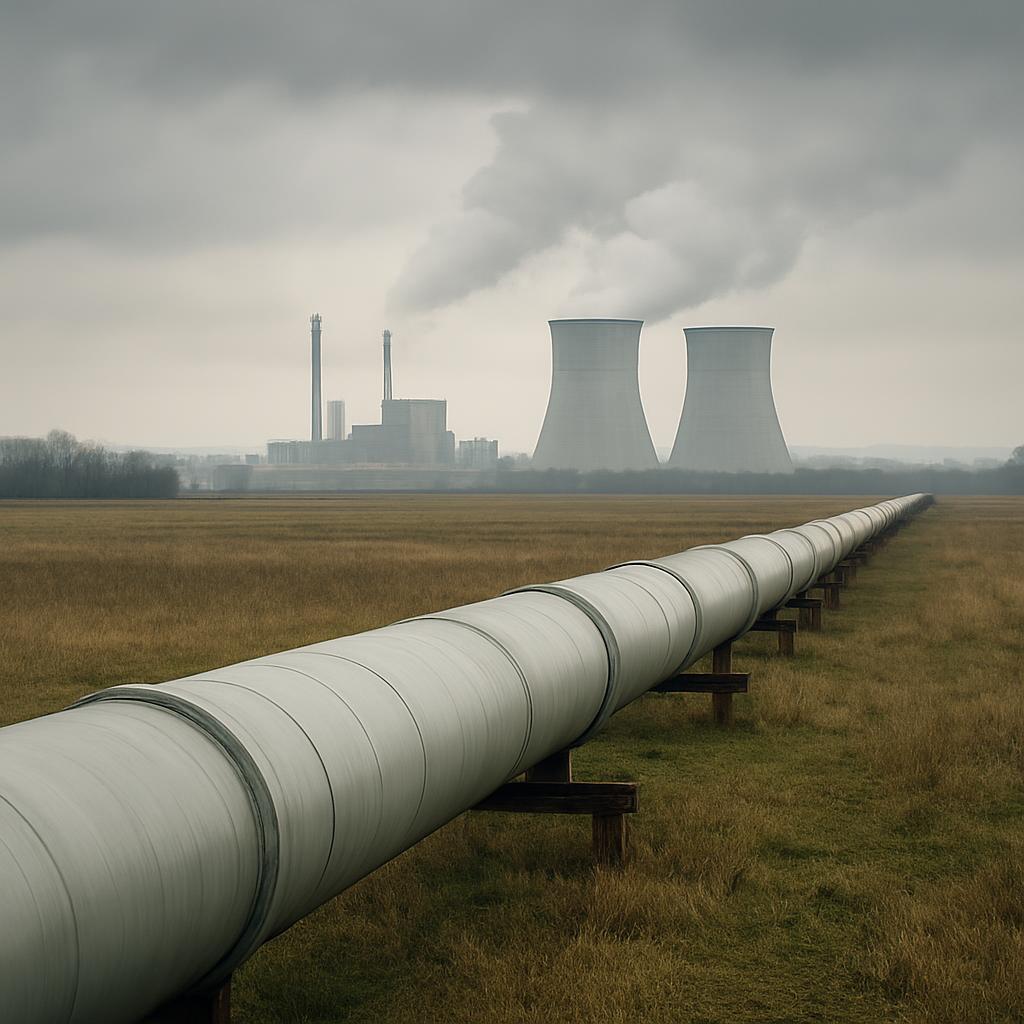
Natural gas remains abundant across the United States, but turning that supply into reliable electricity for the rapidly expanding fleet of artificial intelligence data centers is proving far more complicated than simply producing more of the fuel, according to the original release.
Key takeaways
- Natural gas remains plentiful in the United States, but converting that supply into power for AI data centers faces major infrastructure bottlenecks.
- Pipeline capacity, turbine manufacturing backlogs and lengthy permitting timelines are the chief obstacles, not the availability of the fuel itself.
- Communities near proposed gas plants and pipeline routes are increasingly affected as developers race to meet surging data center electricity demand.
- Industry watchers say the mismatch between gas supply and deliverable power could shape where and how quickly new AI infrastructure gets built.
A Surge in Power Demand From AI Infrastructure
The rapid buildout of data centers to support artificial intelligence workloads has created an unprecedented spike in electricity demand across the country. These facilities require constant, high-volume power to run servers, cooling systems and networking equipment around the clock, placing new strain on regional grids that were not originally designed for such concentrated and continuous loads.
As developers look for ways to meet that demand quickly, natural gas has emerged as a leading option because of its relative abundance and the ability of gas-fired plants to ramp up output faster than many alternative sources. The challenge, however, is not whether enough gas exists underground, but whether it can be efficiently and quickly delivered to where new power generation is needed most.
Why Supply Isn't the Bottleneck
The core issue lies in the physical and regulatory infrastructure required to move gas from production basins to power plants, and then convert it into electricity that reaches the grid. Several factors are converging to slow that process even as raw supply remains plentiful:
- Pipeline capacity: Existing pipeline networks in many regions are already near full utilization, and building new long-distance pipelines can take years due to land rights, environmental review and construction timelines.
- Turbine availability: Manufacturers of gas turbines face significant order backlogs, meaning utilities and developers seeking new generation capacity may wait years for equipment delivery.
- Permitting delays: Siting and permitting new gas plants or pipeline segments often involves multiple layers of federal, state and local approval, each of which can add months or years to a project timeline.
- Grid interconnection queues: Even once a plant is built, connecting it to the broader electrical grid requires navigating interconnection queues that in some regions already stretch for years.
Together, these constraints mean that the gap between gas supply and deliverable power is widening even as demand accelerates, a dynamic that is reshaping how and where energy companies and data center developers plan new projects.
The Local and Regional Stakes
For communities situated near proposed gas-fired power plants or new pipeline routes, the stakes of this infrastructure gap are immediate and tangible. Local utilities are under pressure to secure new generation capacity fast enough to serve data center customers without compromising reliability for existing residential and commercial ratepayers, a balancing act that can shape local electricity rates and service planning for years to come.
The strain also intersects with broader concerns about the condition of the nation's energy and transmission networks, a theme echoed in a recent national report highlighting aging infrastructure strain. Regions that already contend with older pipelines, substations and transmission lines may find it especially difficult to absorb the rapid new demand generated by AI data center construction.
At the same time, the broader public is becoming more familiar with how the technology driving this demand actually works, as explained in a recent overview of large language models powering tools like ChatGPT and Gemini. Understanding that these systems require enormous, continuous computing power helps explain why their physical footprint, and the energy needed to sustain it, has become such a pressing regional planning issue.
What Comes Next for Gas-Fired Power Projects
Looking ahead, energy developers and utilities are expected to continue seeking ways to accelerate the deployment of gas-fired generation, whether through prioritized permitting pathways, expanded turbine manufacturing capacity, or targeted pipeline expansions in high-demand corridors. How quickly these solutions materialize will likely determine how fast new AI data center capacity can come online in specific regions.
For now, the underlying message is clear: abundant natural gas reserves alone will not resolve the power challenges facing the AI industry. The pace of infrastructure development, permitting reform and manufacturing capacity will ultimately dictate how quickly that gas can be turned into usable electricity for the data centers driving the next phase of digital growth.