
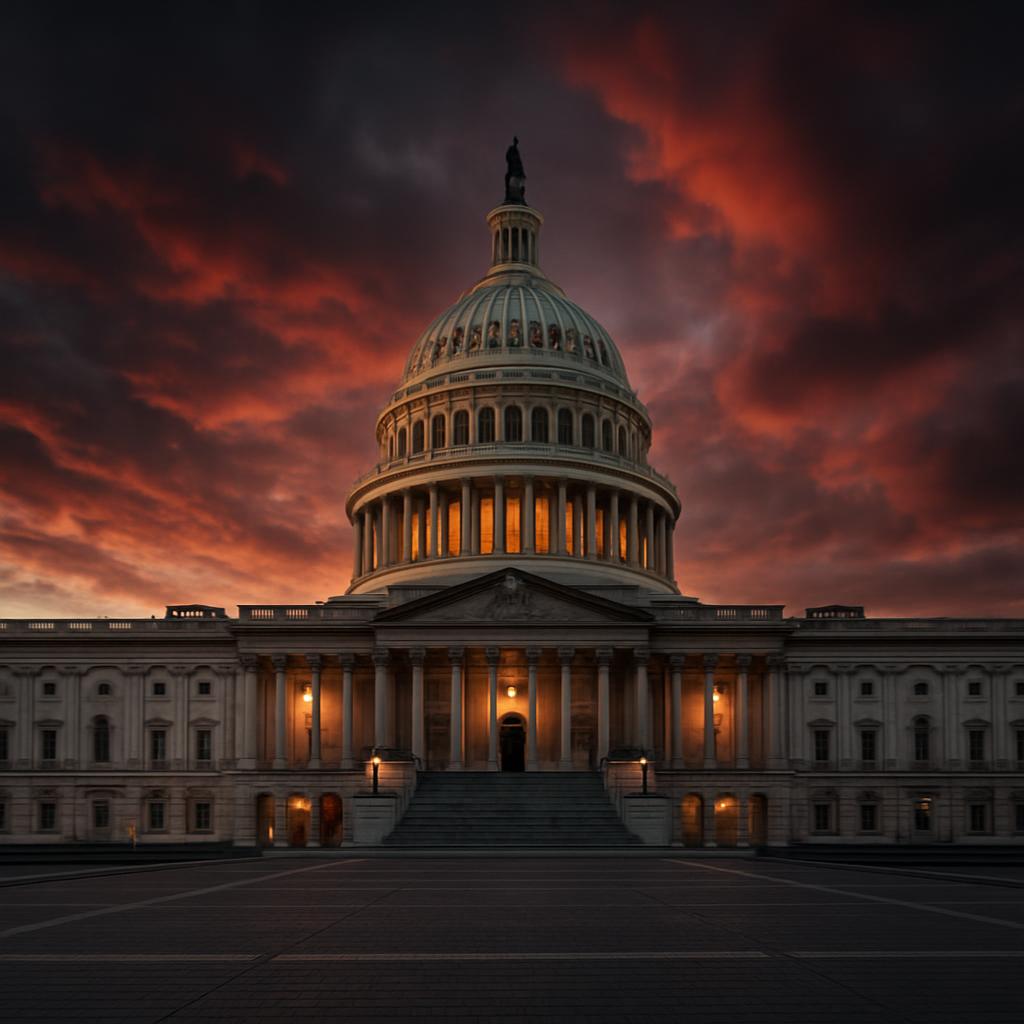
No, the President of the United States cannot fire Congress. The Constitution does not grant the president any power to remove members of the House of Representatives or the Senate, dissolve either chamber, or force new elections. Congress is an independent branch of government, and its members answer only to the voters who elected them and, in rare cases, to their own chamber through expulsion.
The separation of powers is a foundational principle of the U.S. system of government. The Founders deliberately divided authority among three branches—legislative, executive, and judicial—so that no single person or institution could dominate the others. Allowing a president to remove lawmakers at will would collapse that balance and concentrate enormous power in the executive branch, something the framers explicitly sought to prevent after experiencing life under a monarchy.
Members of Congress serve fixed terms set by the Constitution: two years for representatives and six years for senators. These terms cannot be cut short by presidential action. The only ways a lawmaker leaves office before their term ends are through resignation, death, failure to win reelection, or expulsion by a two-thirds vote of their own chamber for serious misconduct. Expulsion is exceedingly rare and has historically been reserved for cases involving treason, criminal conviction, or egregious ethical violations—and even then, the decision rests entirely with Congress itself, not the president.
This structure is intentional. If presidents could remove lawmakers who opposed their agenda, the legislative branch would lose its independence and its ability to check executive power. Congress holds authority that the president does not, including the power to pass laws, control federal spending, declare war, and confirm or reject presidential nominees for federal courts and executive agencies. The Senate also has sole authority to ratify treaties and to try impeachment cases brought against federal officials, including the president.
In fact, the relationship runs in the opposite direction when it comes to accountability. Congress has specific constitutional tools to check the president, most notably impeachment. The House of Representatives can impeach a president for "treason, bribery, or other high crimes and misdemeanors," and the Senate holds trial on those charges, with a two-thirds vote required for conviction and removal from office. This process has been used only a handful of times in American history and has never resulted in a sitting president's removal through conviction, though it remains one of the most significant checks Congress holds over the executive branch.
Beyond impeachment, Congress has other ways to limit presidential power. It can refuse to fund programs or initiatives the executive branch wants, override presidential vetoes with a two-thirds vote in both chambers, and conduct oversight investigations into executive branch actions. The Senate's power to confirm or reject presidential appointees—including cabinet secretaries, federal judges, and agency heads—gives it direct leverage over how the executive branch is staffed and run.
Presidents, in turn, have their own constitutional tools, but none of them involve firing lawmakers. A president can veto legislation passed by Congress, though that veto can be overridden. Presidents can also use the bully pulpit to pressure lawmakers politically, campaign against members of their own or the opposing party, and work to influence elections indirectly through endorsements or public statements. None of these actions, however, constitute removing a sitting member of Congress or altering the makeup of the legislative branch through executive authority.
Confusion about this topic sometimes arises during moments of political tension, when a president publicly criticizes Congress or expresses frustration with gridlock. Rhetorical attacks, however sharp, carry no legal weight when it comes to a lawmaker's tenure. The only people with the power to remove a House member or senator from office before their term ends are voters at the ballot box or, in extraordinary circumstances, their colleagues through a formal expulsion vote.
Ultimately, the inability of the president to fire Congress reflects one of the most important safeguards in the American constitutional system. It ensures that the legislative branch can act as an independent check on executive power rather than serving at the president's pleasure. Whatever disagreements arise between the White House and Capitol Hill, the Constitution keeps the composition of Congress firmly in the hands of voters and the legislative body itself—not the president.