
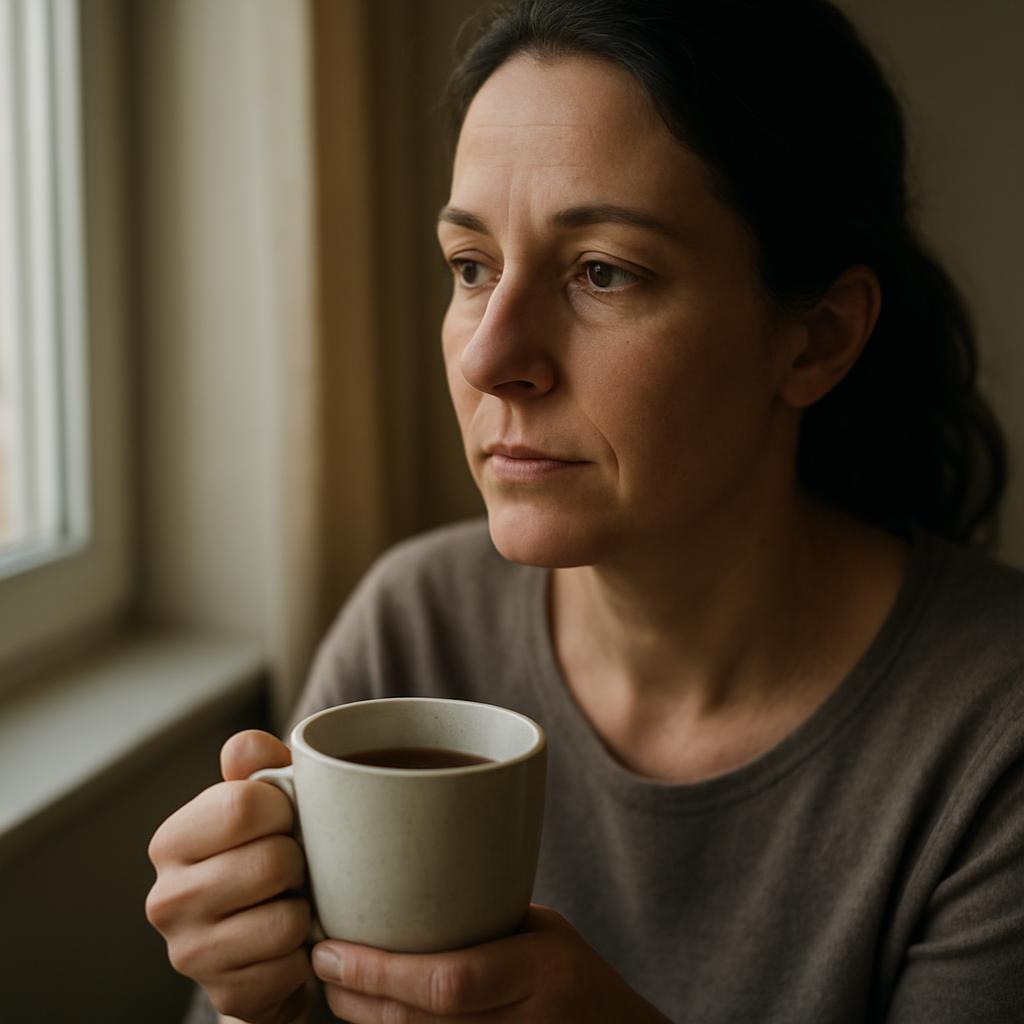
Early perimenopause symptoms typically show up as changes in the menstrual cycle — periods that come closer together, farther apart, or with heavier or lighter flow — alongside hot flashes, disrupted sleep, mood swings and trouble concentrating. These changes reflect the gradual, uneven decline in estrogen and progesterone that begins years before a person's final period, often starting in the late 30s or 40s. For many women, the symptoms arrive quietly enough that they get dismissed as stress, aging or a busy schedule, which can delay a diagnosis and, in places where specialist care is scarce, delay treatment even further.
Key takeaways
- Irregular periods are usually the first noticeable sign of perimenopause, often appearing years before hot flashes or night sweats
- Perimenopause can start in the mid-to-late 30s but most commonly begins in the 40s and lasts anywhere from a few years to about a decade
- Gynecologists treat perimenopause, but primary care doctors and nurse practitioners manage most cases, especially where specialist appointments are hard to get
- There is no single blood test that confirms perimenopause; diagnosis relies mainly on symptoms and menstrual history
- Lifestyle steps like strength training, better sleep and stress management help with both symptoms and weight changes, but hormone therapy is an option worth discussing with a doctor
What are the early signs of perimenopause?
The earliest signs of perimenopause are usually shifts in the menstrual cycle, followed by physical and emotional symptoms tied to fluctuating estrogen and progesterone. Cycles may shorten, lengthen, or skip altogether, and bleeding can become heavier, lighter, or more unpredictable than before. As hormone levels swing rather than steadily decline, the body reacts with symptoms that can feel inconsistent from one month to the next, which is part of why early perimenopause is often confused with stress or thyroid issues.
Because the hormonal changes are gradual, symptoms tend to build slowly rather than appear all at once. Many women notice sleep disruption and mood changes before they notice hot flashes, since estrogen affects brain chemistry involved in temperature regulation, sleep cycles and emotional regulation. Others first notice changes in libido, vaginal dryness, or joint aches that seem to have no clear cause.
Medical organizations, as Mayo Clinic explains, describe perimenopause as the transition period leading up to menopause, which is officially marked once someone has gone 12 consecutive months without a period. The transition itself can last anywhere from a few years to closer to a decade, and symptoms vary widely in intensity from person to person.
- Irregular periods, including changes in cycle length, frequency or flow
- Hot flashes and night sweats
- Sleep disturbances, including trouble falling or staying asleep
- Mood swings, irritability or increased anxiety
- Brain fog or trouble concentrating
- Vaginal dryness or discomfort during sex
- Changes in libido
- Breast tenderness
- Joint and muscle aches
- Weight gain, particularly around the abdomen
Does a gynecologist treat perimenopause?
Yes, gynecologists are trained to diagnose and manage perimenopause, but they are far from the only clinicians who do. Family medicine doctors, internists, nurse practitioners and physician assistants routinely manage perimenopause symptoms, order relevant tests, and prescribe treatment when needed. In many parts of the country, especially rural counties, primary care providers end up handling most perimenopause care simply because there are not enough OB-GYNs nearby to see every patient who needs one.
This matters on a practical level. Women in areas with fewer specialists often wait longer for an appointment, which can mean months of unexplained symptoms before getting a clear explanation or treatment plan. Telehealth has narrowed that gap somewhat, allowing patients to consult menopause-trained clinicians remotely even when no specialist practices nearby, but not every symptom, such as unusually heavy bleeding, can be fully evaluated without an in-person exam.
Insurance access shapes this picture too. In years when premium increases strain household budgets, some patients delay specialist visits or skip annual exams altogether, pushing perimenopause discussions into urgent-care or ER visits instead of routine checkups. A primary care visit is often the fastest and most affordable starting point, with a referral to a gynecologist reserved for cases involving abnormal bleeding, suspected fibroids, or symptoms that don't respond to initial treatment.
What causes perimenopause and who is most at risk?
Perimenopause is caused by the ovaries gradually producing less estrogen and progesterone as the number of viable eggs declines with age. This is a normal biological process, not a disease, though its timing and intensity vary based on genetics, health history and lifestyle. Most women begin the transition sometime in their 40s, though it can start earlier or later.
Certain factors are linked to an earlier onset. Smoking is one of the most consistent risk factors, as it has been shown to bring on perimenopause and menopause earlier than average. A family history of early menopause also raises the likelihood of an earlier transition, and so can certain medical treatments, including chemotherapy, radiation to the pelvis, or surgery that removes the ovaries.
Autoimmune conditions and certain chromosomal factors can also push the timeline earlier, sometimes resulting in what doctors call premature or early menopause, generally defined as menopause before age 45. Anyone with these risk factors who notices perimenopause-type symptoms in their 30s should mention that history to a doctor, since earlier onset can carry different long-term health considerations, including bone and heart health.
How is perimenopause diagnosed?
Perimenopause is diagnosed mainly through a review of symptoms and menstrual history rather than a single definitive test. Because hormone levels fluctuate day to day during this transition, a blood test taken on any given day may look normal even if someone is clearly in perimenopause, which is why doctors rely more heavily on patterns over several months.
A doctor will typically ask about cycle changes, sleep, mood, hot flashes and other symptoms, and may order blood tests to rule out other causes, such as thyroid disorders, which can produce similar symptoms. In some cases, doctors check hormone levels like follicle-stimulating hormone (FSH) to support a diagnosis, though results are interpreted alongside symptoms rather than as a stand-alone answer.
Diagnosis can take longer when symptoms are mild or atypical, or when a patient sees multiple providers without continuity of care. Keeping a simple log of period dates, symptoms and their severity for a few months can make the conversation with a doctor faster and more productive, whether that doctor is a gynecologist or a primary care provider.
How can I lose weight during perimenopause?
Weight gain during perimenopause is common because declining estrogen shifts fat storage toward the abdomen and because muscle mass naturally declines with age, slowing metabolism. Losing weight during this transition generally takes a combination of strategies rather than any single fix, since hormonal changes make the body less responsive to the calorie-cutting approaches that may have worked in a person's 20s or 30s.
Strength training is one of the most consistently recommended tools, since building or preserving muscle helps offset the metabolic slowdown tied to hormonal changes and aging. Adequate protein intake supports that muscle maintenance, while prioritizing sleep matters more than it might seem, because poor sleep is linked to increased appetite and higher cortisol levels, both of which can promote fat storage.
Stress management also plays a bigger role than many people expect, since chronically elevated cortisol can work against weight-loss efforts even when diet and exercise habits are solid. There is no universal perimenopause diet, and anyone looking for structured guidance should talk to a doctor or registered dietitian who can tailor recommendations to individual health history, medications and activity level.
- Prioritize strength training two to three times a week to help preserve muscle mass
- Aim for consistent sleep timing rather than just total hours
- Focus on protein and fiber at meals to support fullness
- Manage stress through activity, routine or support systems
- Track symptoms alongside weight changes to flag patterns worth discussing with a doctor
How to feel better during perimenopause?
Feeling better during perimenopause usually comes down to a mix of lifestyle adjustments, symptom-specific treatment, and in some cases, medication such as hormone therapy. There is no one-size-fits-all fix, but doctors generally start by addressing the symptom causing the most disruption, whether that's sleep, hot flashes, mood changes or irregular bleeding.
Lifestyle measures that commonly help include regular physical activity, which can ease mood symptoms and support sleep; limiting alcohol and caffeine, which can intensify hot flashes and disrupt sleep; and practicing stress-reduction techniques such as breathing exercises or therapy. For some, hormone therapy is an effective option for moderate to severe symptoms, and non-hormonal medications are also available for those who can't or prefer not to use hormones. A doctor can walk through the risks and benefits based on personal and family health history.
Mental health support deserves particular attention, since mood swings, anxiety and even depressive symptoms are common during this transition and are sometimes the most disruptive part of it. Community and workplace support matter too; some employers and local health systems have started offering menopause-related resources or flexible scheduling, though access to these programs still varies significantly by region and employer size.
When should I see a doctor about perimenopause symptoms?
See a doctor if perimenopause symptoms are disrupting daily life, work or relationships, or if bleeding patterns change dramatically. Very heavy bleeding, periods that last much longer than usual, bleeding between periods, or any bleeding after 12 months without a period all warrant prompt evaluation, since these can sometimes signal conditions unrelated to perimenopause that need separate treatment.
It's also worth seeking care if mood changes become severe, including persistent anxiety, depression, or thoughts of self-harm, since these symptoms are treatable and shouldn't be assumed to simply be a normal part of the transition. The same goes for symptoms that start unusually early, such as before age 40, which may point to premature ovarian insufficiency and deserve closer evaluation.
Even when symptoms feel mild, an earlier conversation with a doctor can help rule out other conditions and open up treatment options sooner rather than later. Anyone unsure whether their symptoms fit the typical perimenopause pattern, or who faces long waits for a specialist, can start with a primary care visit to get the process moving.
Frequently asked questions
How long does perimenopause typically last?
Perimenopause usually lasts a few years but can continue for up to around a decade before periods stop completely. The length and intensity of symptoms vary widely from person to person, and there's no reliable way to predict in advance how long an individual's transition will take.
What age does perimenopause usually start?
Most people begin noticing perimenopause symptoms sometime in their 40s, though it can start in the late 30s for some. Starting before age 40 is less common and is worth discussing with a doctor, since it may point to an underlying condition.
Is hormone therapy safe for perimenopause symptoms?
For many people, hormone therapy is a safe and effective option for managing moderate to severe perimenopause symptoms, but safety depends on individual health history, including factors like blood clot risk, certain cancers and cardiovascular health. A doctor can help weigh the benefits against any personal risk factors before starting treatment.
Can perimenopause affect mental health?
Yes, fluctuating estrogen and progesterone can contribute to increased anxiety, irritability and depressive symptoms during perimenopause. These changes are real and treatable, and they shouldn't be dismissed as simply stress or a normal part of aging.
Does perimenopause always lead to early menopause?
No, perimenopause is the lead-up to menopause for everyone with ovaries, but it doesn't mean menopause will happen earlier than average. Most people reach menopause, defined as 12 months without a period, in their late 40s to early 50s, regardless of how long their perimenopause lasted.