
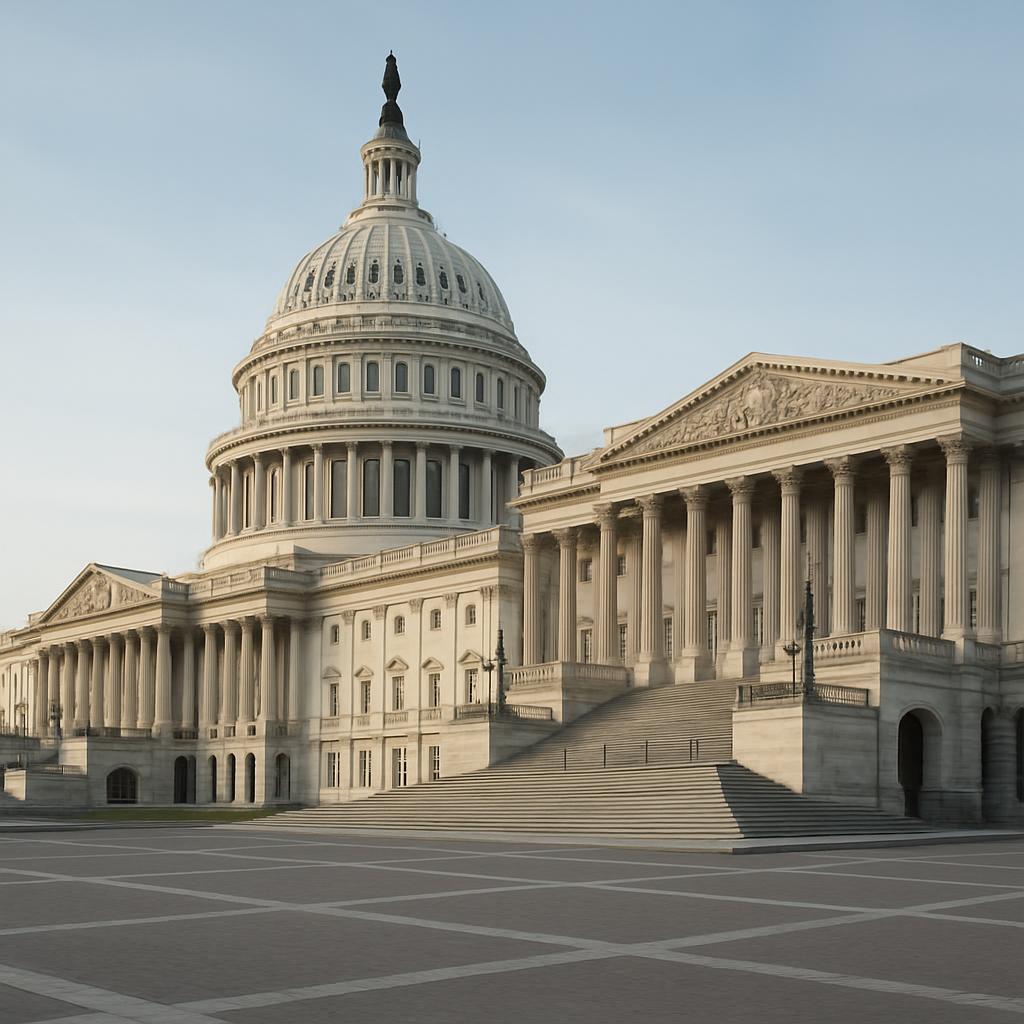
Congress is on recess so often because its calendar is deliberately structured to include regular breaks, known as "district work periods," that give lawmakers time to return home, meet with constituents, campaign, and attend to personal and family matters. These recesses are not unscheduled absences but formally planned parts of the legislative year, set months in advance by House and Senate leadership.
Each chamber publishes its own calendar at the start of a session, and while the House and Senate don't always align perfectly, both typically include weeks off around major holidays, a lengthy August recess, and shorter breaks scattered throughout the year. In total, Congress is often in session for roughly half the calendar year, with the rest divided between recesses and weekends when members are expected to be in their home states rather than in Washington.
The rationale behind this structure dates back to the basic design of a representative government. Members of Congress are expected to stay connected to the people who elected them, and that requires physical presence in their districts or states. During recess periods, lawmakers hold town halls, meet with local businesses and officials, tour facilities, and respond to constituent concerns that are harder to address from Capitol Hill. Many argue this face-to-face contact is essential to representative democracy, since it keeps elected officials grounded in the everyday concerns of the people they serve.
Recesses also serve practical political functions. Members of the House face re-election every two years, and senators every six, which means fundraising and campaigning are constant pressures. Recess periods give lawmakers dedicated time to attend fundraisers, campaign events, and party meetings without the competing demands of floor votes and committee hearings. Critics sometimes point to this as evidence that recesses prioritize political survival over legislative work, while defenders counter that campaigning and governing are inherently intertwined in a system with frequent elections.
Family and quality-of-life considerations also factor into the recess schedule. Many members of Congress live far from Washington and maintain homes in their districts, meaning they travel extensively to split time between the capital and their constituents. Built-in recess periods, particularly the longer summer break, allow for sustained time with family and reduce the burnout associated with a demanding travel schedule that often includes cross-country trips nearly every week Congress is in session.
It's also worth noting that "recess" doesn't mean lawmakers stop working entirely. Members frequently describe district work periods as some of the busiest stretches of their schedules, filled with local events, briefings, and travel. Congressional staff in Washington offices typically continue operating during recesses, handling casework, policy research, and administrative functions even when lawmakers themselves are not on the floor.
There is also a constitutional dimension to how recesses are structured. The Constitution requires that neither chamber adjourn for more than three days without the consent of the other, which is why the House and Senate often hold brief pro forma sessions — meetings that last only minutes and conduct no substantive business — during longer breaks. These pro forma sessions became especially notable as a tool to prevent recess appointments, a power presidents have historically used to fill vacancies without Senate confirmation while Congress is away.
Criticism of Congress's recess schedule tends to resurface during periods of legislative gridlock or national crises, when the public perceives lawmakers as absent at moments when action seems urgent. Lawmakers can be called back to Washington for emergency votes if needed, and leadership retains some flexibility to adjust the calendar. But the overall structure—regular, planned recesses interspersed with working periods—remains a consistent feature of how Congress operates, reflecting a balance between legislative duties in Washington and the representative functions lawmakers are expected to perform at home.
Ultimately, the frequency of congressional recesses reflects a long-standing institutional design rather than a recent trend toward laziness or dysfunction, as critics sometimes suggest. Whether that balance between Washington and home districts serves constituents well is a matter of ongoing political debate, but the recess schedule itself is a predictable, intentional feature of how the legislative branch has long chosen to operate.