
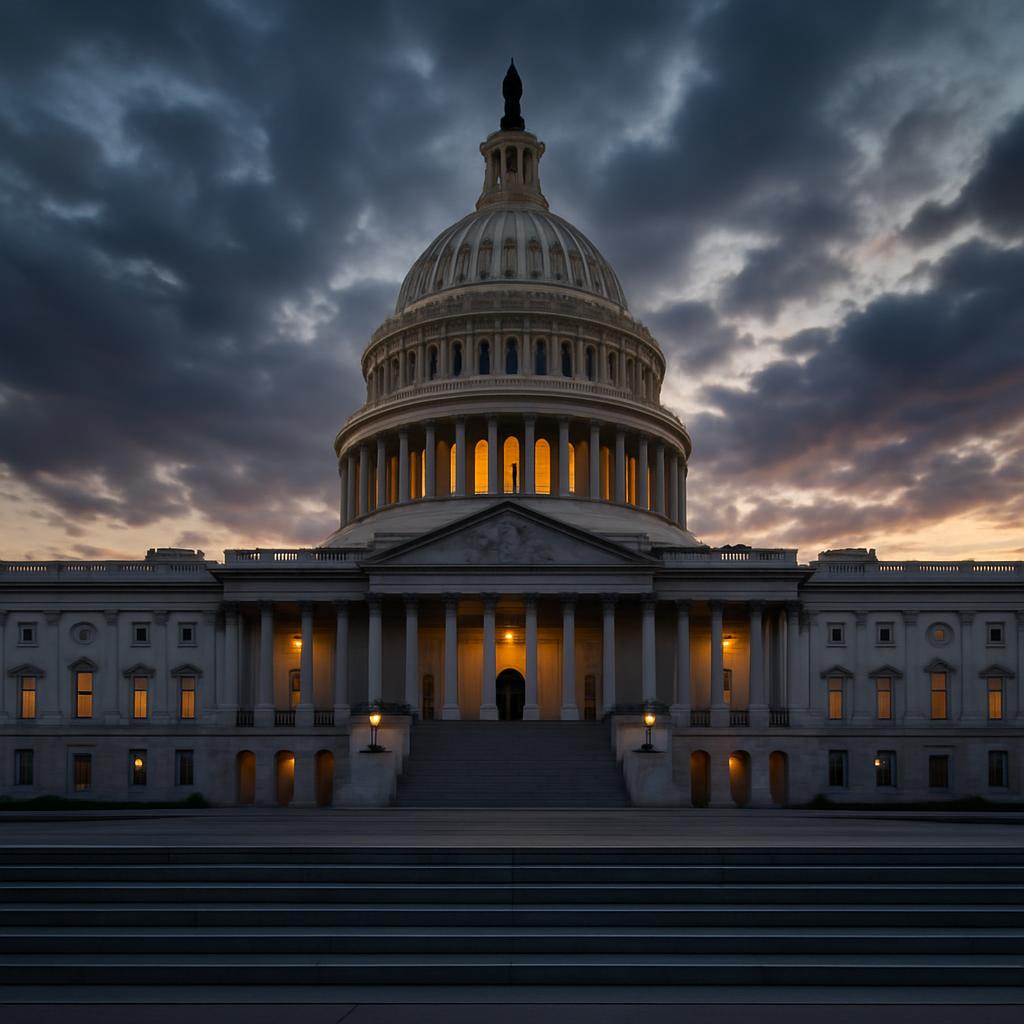
Yes, the president has a limited constitutional power to force Congress to reconvene, but it is narrow, rarely used, and does not give the president control over what lawmakers actually do once they are back in session.
Article II, Section 3 of the Constitution states that the president 'may, on extraordinary Occasions, convene both Houses, or either of them.' This provision was designed for emergencies—wars, national crises, or other urgent matters—when Congress is in recess and swift legislative action might be needed. Historically, presidents have used this power sparingly, mostly in the 19th and early 20th centuries, before modern communication and travel made it easier for Congress to simply reconvene on its own schedule.
The power to convene is different from a power to compel action. If a president calls Congress back into session, lawmakers are obligated to show up and convene, but they are not obligated to pass any particular bill, hold any particular vote, or even take up the issue the president wanted addressed. Congress retains full authority over its own legislative agenda, floor votes, and committee work. In other words, the president can open the door, but cannot make Congress walk through it in any specific direction.
There is a related and even more unusual provision in the same section of Article II: if the House and Senate cannot agree on a time to adjourn, the president 'may adjourn them to such Time as he shall think proper.' This adjournment power has never actually been invoked in American history, largely because the House and Senate have always managed to agree on adjournment dates, even if only through informal or pro forma arrangements. Some legal scholars have debated whether a president could use this adjournment authority to force a recess and then make recess appointments while Congress is out, a controversial theory that has never been tested in court because the triggering conditions have never occurred.
In modern practice, Congress rarely goes into a true recess long enough to require presidential intervention. Since the early 2010s, the House and Senate have frequently used brief pro forma sessions—meetings lasting only minutes, sometimes with just one member present—specifically to avoid being considered in recess. This tactic has been used, in part, to block presidents from making recess appointments, which the Constitution allows only when the Senate is unavailable to confirm nominees through the normal process. Because of this practice, the scenario Article II, Section 3 was written for, a genuine standoff over convening or adjourning, almost never arises.
The president's convening power also does not extend to controlling how long a special session lasts, what bills are debated, or whether votes succeed. Congress operates under its own rules, and leadership in the House and Senate determines the specifics of any session's agenda. A president frustrated with legislative inaction cannot use the convening power as a substitute for negotiation, public pressure, or the normal legislative process. It is a procedural tool, not a policymaking one.
Presidential frustration with a slow or gridlocked Congress is not new, and calls for a president to 'force' lawmakers back to work often surface during high-profile disputes over spending bills, judicial nominations, or emergency legislation. But even in those moments, the constitutional convening power offers limited leverage. It can technically require members of Congress to be present in the chamber, but it cannot require them to agree, compromise, or vote in any particular way. Real legislative outcomes still depend on negotiations among lawmakers themselves.
The broader lesson is that the Constitution's framers built in a mechanism for extraordinary circumstances, not a general tool for presidential control over the legislative branch. Separation of powers remains intact: the president can influence when Congress meets in rare cases, but cannot dictate what happens once the gavel comes down. That balance, largely untested in modern history, continues to define the limits of executive authority over the legislative calendar.