
Senators spend their days moving between committee hearings, closed-door briefings, floor votes, and meetings with constituents, lobbyists, and staff—often juggling several of these obligations within the same hour. There is no single 'typical' day, but most follow a recognizable rhythm built around the Senate's voting schedule, committee assignments, and the near-constant need to raise money and communicate with the people back home.
Mornings typically begin early, with senators reviewing briefing materials prepared by staff, scanning news coverage, and meeting with policy advisers to prepare for the day's hearings or votes. Many start with breakfast meetings—sometimes with colleagues to discuss strategy, sometimes with advocacy groups or donors. Because the Senate operates on a schedule that can shift with little notice, staff constantly update senators on when votes will occur, forcing many to keep a flexible, segmented calendar rather than a fixed one.
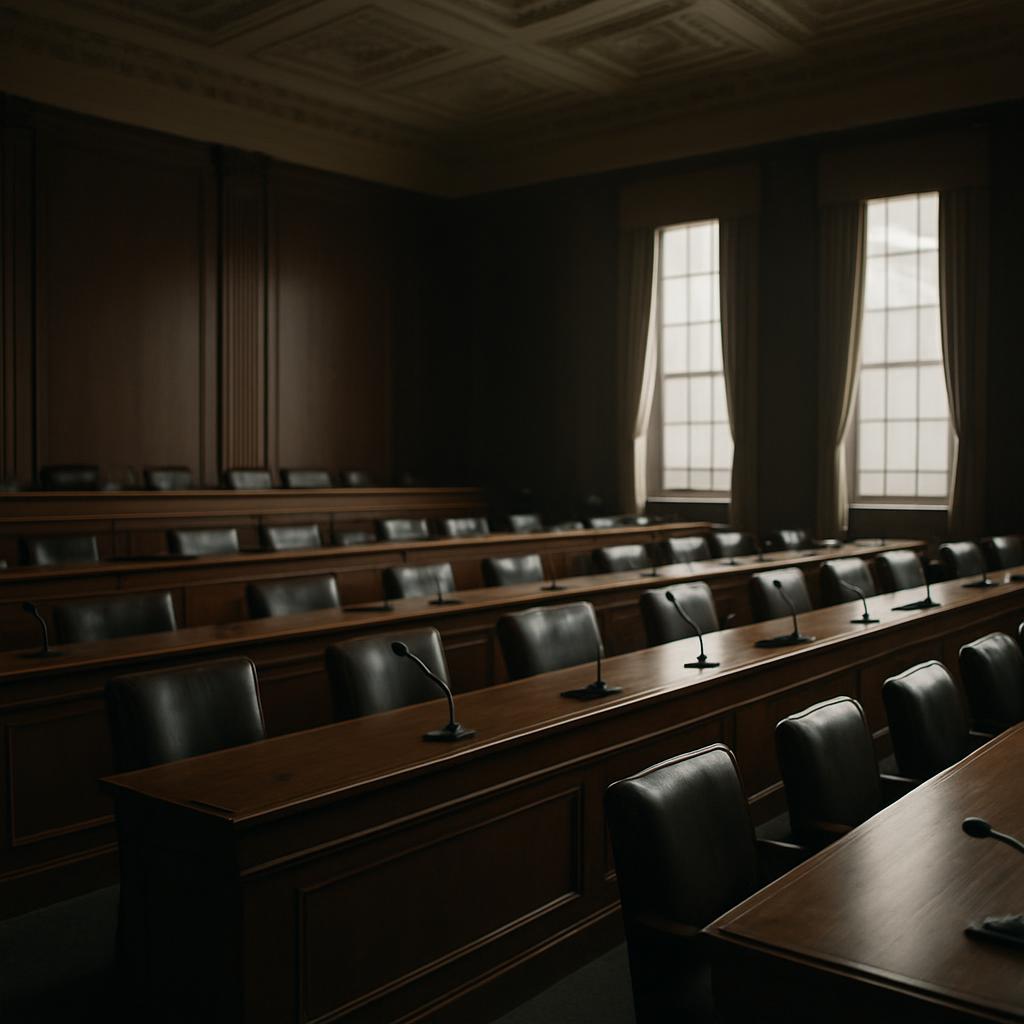
A significant chunk of the day is spent in committee work. Every senator sits on multiple committees and subcommittees, each with its own hearings, markup sessions, and oversight responsibilities. These meetings can involve questioning administration officials, reviewing legislation line by line, or hearing testimony from experts and affected citizens. Because committee assignments rarely align perfectly, senators often have overlapping hearings scheduled simultaneously, requiring them to step in, ask questions, and step out to attend another meeting entirely.
Floor time is another major component. When the Senate is in session, senators are called to the floor for votes, which can happen in rapid succession or be spread out with long gaps in between. During those gaps, senators often return to their offices, attend additional meetings, or use the time to talk with colleagues about pending legislation. Floor speeches, while sometimes delivered to a nearly empty chamber, are also part of the official record and a tool for shaping public debate, signaling positions to constituents, or building support for amendments.
Outside of formal legislative business, senators devote considerable time to meetings with constituents, interest groups, and advocacy organizations. These can range from scheduled sit-downs with state business leaders to drop-in visits from citizens visiting Washington. Senators and their staff also field a continuous stream of requests for help with federal agencies—casework that includes everything from Social Security disputes to passport delays to veterans' benefits. While much of this casework is handled by staff, senators are briefed regularly and sometimes intervene personally on higher-profile cases.
Fundraising is a less visible but substantial part of the job. Senators face reelection every six years, but the fundraising cycle never really stops. Many spend blocks of time each week making phone calls to donors, attending fundraising lunches or dinners, and meeting with party campaign committees to discuss strategy. Because of ethics rules separating official Senate business from campaign activity, fundraising calls are often made from off-campus offices rather than the senator's official workspace, which can require moving between locations during the day.
Staff meetings are woven throughout the schedule as well. Senators rely on teams of policy advisers, communications staff, schedulers, and legislative aides to manage the volume of issues crossing their desks. Daily or near-daily briefings keep senators updated on pending legislation, media coverage, and constituent concerns, while senior staff often handle initial negotiations with other offices before bringing finalized options to the senator for a decision.
Travel adds another layer of complexity. Senators typically split their time between Washington and their home states, especially during designated 'state work periods' when the Senate is not in session. During these stretches, the job shifts toward town halls, site visits to businesses or military installations, meetings with local officials, and public events meant to keep senators connected to the people they represent. Even while in Washington, many senators maintain a heavy schedule of calls with constituents, state officials, and media outlets back home.
Media engagement is a constant undercurrent as well. Senators regularly give interviews, record statements for local news outlets, and respond to national media requests, particularly if they sit on high-profile committees or are seen as leaders on a given issue. Press staff typically coordinate these interactions, but senators themselves are expected to be available for interviews, especially during major legislative debates or national news events.
Evenings often include additional events: receptions hosted by advocacy groups, dinners with colleagues, or further fundraising commitments. Some senators also use evening hours to catch up on reading briefing memos, legislative text, or correspondence that didn't fit into the daytime schedule. Because Senate sessions can run late—particularly during contentious floor debates or must-pass legislation—the workday doesn't always end at a predictable hour.
Taken together, a senator's day is less a single job than a constantly shifting set of responsibilities: legislator, committee overseer, constituent advocate, fundraiser, and public communicator, often performed in parallel rather than in sequence. The specific mix varies by seniority, committee assignments, and whether the Senate is in session, but the underlying structure—vote schedules, committee work, constituent demands, and fundraising—remains consistent across nearly every office.