
The main downsides of 5G are limited availability, higher costs, faster battery drain on devices, and the need for a dense network of new infrastructure that many areas simply don't have yet. While 5G offers faster download speeds and lower latency than 4G, these benefits come with real trade-offs that consumers and businesses are still navigating.
One of the most immediate issues is coverage. True high-band 5G, often called mmWave, offers the fastest speeds but has a very short range and struggles to penetrate walls, trees, and other obstacles. This means carriers have had to rely more heavily on mid-band and low-band spectrum for broader coverage, which is more reliable but delivers speeds much closer to advanced 4G than the dramatic leaps originally promised. As a result, many users in suburban or rural areas see little practical difference from their previous network experience, despite seeing a 5G icon on their phone.
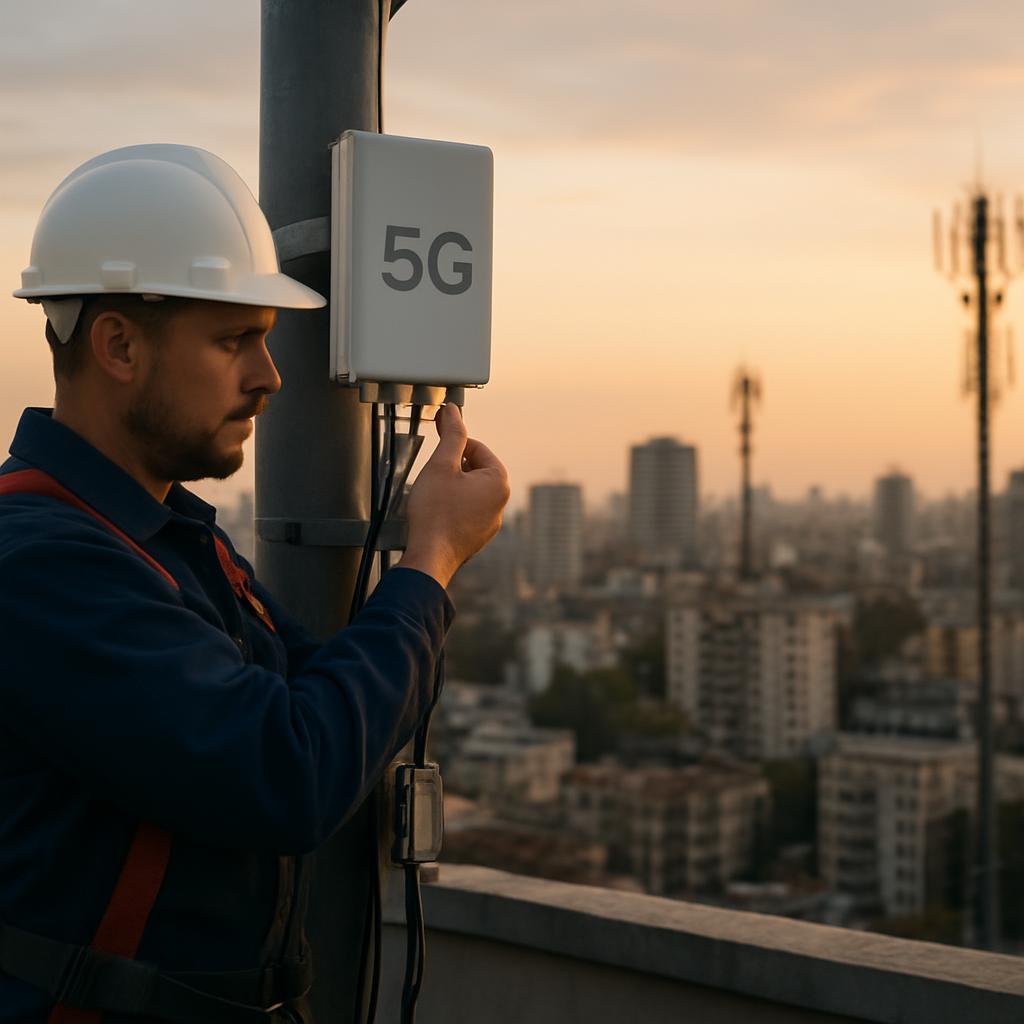
Building out 5G infrastructure is also expensive and slow. Because high-frequency signals travel shorter distances, carriers need to install far more small cell sites and antennas than they did for 4G towers. This requires negotiating with local governments, securing rooftop and utility pole access, and laying new fiber connections to support the increased data loads. These costs are often passed on to consumers through pricier data plans or bundled fees, and some carriers have introduced tiered pricing where full 5G speeds require a premium subscription.
Device compatibility is another factor. Older phones and tablets cannot access 5G networks at all, meaning a hardware upgrade is often necessary to benefit from the technology. Newer 5G-enabled devices also tend to carry a higher price tag, partly due to the additional antennas and modems required to support multiple frequency bands. For many consumers, the cost of upgrading a phone outweighs the practical benefits they'll notice day to day.
Battery life is a frequently cited complaint. Maintaining a 5G connection, especially when switching between bands or searching for a stronger signal, demands more power than a stable 4G connection. Many users report that enabling 5G drains their battery noticeably faster, particularly in areas with inconsistent coverage where the phone is constantly negotiating between network types.
There are also questions about real-world benefit versus marketing hype. While 5G is marketed as transformative, the everyday use cases for most smartphone users, browsing, streaming, messaging, do not require the ultra-low latency or massive bandwidth that 5G offers. The technology's biggest advantages are expected to show up more in specialized applications such as industrial automation, autonomous vehicles, and remote surgery, rather than in typical consumer use. This has led some critics to argue that the gap between promised capabilities and current practical value remains wide for average users.
Security and privacy considerations have also been raised. The shift to more distributed network architecture, with data processed closer to the edge rather than in centralized hubs, introduces new points of vulnerability that network operators and regulators are still working to address. More connected devices and endpoints, a core feature of the 5G vision for the Internet of Things, also expand the potential attack surface for cybersecurity threats.
Health concerns about 5G radiation have circulated widely, though these claims are not supported by credible scientific consensus. Regulatory bodies around the world have evaluated the radiofrequency emissions associated with 5G and found them to fall within established safety limits similar to those for previous generations of wireless technology. Still, public apprehension has occasionally translated into local opposition to new cell tower installations, which can further slow network rollout in some communities.
Finally, the uneven global and even regional rollout of 5G creates a patchwork experience. Some countries and cities have made substantial investments and offer widespread coverage, while others lag significantly behind. This uneven deployment means the benefits of 5G are not evenly distributed, and users traveling between regions may notice stark differences in speed and reliability.
Taken together, these downsides don't mean 5G isn't worth adopting, but they do suggest that the transition is more complicated and gradual than early marketing suggested. For most consumers, the decision of whether to prioritize 5G when choosing a phone or plan should depend on local network quality, device cost, and whether the use cases that benefit most from 5G, such as high-bandwidth streaming or gaming, actually apply to their daily habits.