
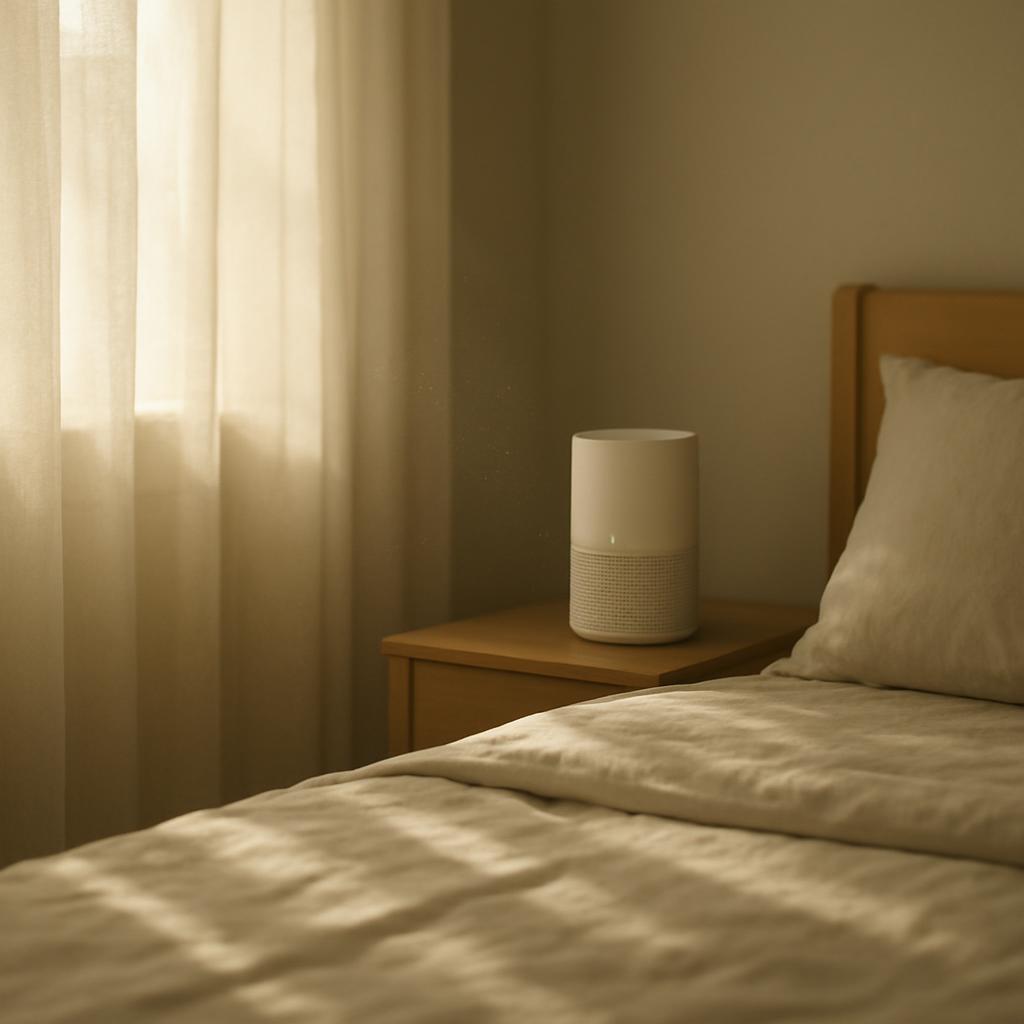
A new report finds that reducing air pollution in bedrooms may help people with prediabetes better manage their blood sugar levels, according to the original release. The finding adds a new environmental dimension to efforts aimed at slowing the progression from prediabetes to type 2 diabetes.
Key takeaways
- Research cited in the release suggests cleaner air in bedrooms may be associated with improved blood sugar management in people with prediabetes.
- Prediabetes affects millions of people and is a known precursor to type 2 diabetes, making early, low-cost interventions of public interest.
- Indoor air quality, including pollutants and particulate matter in sleeping environments, is an emerging area of health research tied to metabolic outcomes.
- The findings add to a growing body of work examining how environmental factors, not just diet and exercise, influence chronic disease risk.
What the Research Suggests
The release points to a relationship between the cleanliness of the air in a person's bedroom and how well their body regulates blood sugar when they have prediabetes, a condition marked by blood glucose levels that are higher than normal but not yet high enough to be classified as type 2 diabetes.
The implication is that the environment where people spend roughly a third of their day, sleeping and resting, may carry more weight in metabolic health than previously emphasized. This builds on a broader trend in health research examining how everyday surroundings, not just diet, exercise and medication, shape chronic disease outcomes.
Why Prediabetes Matters
Prediabetes is widely recognized as a warning stage before the onset of type 2 diabetes, a chronic condition that affects how the body processes blood sugar and can lead to serious complications including heart disease, kidney damage and nerve problems if left unmanaged. Public health authorities have long emphasized early lifestyle changes as a way to prevent or delay progression to full-blown diabetes.
Because prediabetes often develops without obvious symptoms, it is frequently identified through routine blood tests measuring glucose levels. Interventions that are low-cost and easy to adopt, such as improving the air quality of a bedroom, are attractive to researchers and clinicians because they do not require the same level of behavioral change as major diet or exercise overhauls.
How Indoor Air Quality Research Works
Indoor air quality studies typically examine levels of airborne particulates, allergens, volatile organic compounds and other pollutants that can accumulate in enclosed spaces like bedrooms, often worsened by poor ventilation, dust, household products or outdoor pollution seeping indoors. Researchers in this field commonly use air quality monitors or purifiers to measure or alter pollutant levels and then track changes in health markers, such as blood sugar readings, among study participants over time.
This approach reflects a broader scientific effort to understand how environmental exposures, distinct from traditional risk factors like diet and physical activity, interact with the body's metabolic processes. The growing interest in air quality's role in chronic disease management parallels wider public attention to environmental health, including efforts covered in broader environmental and infrastructure reporting.
What It Means for Readers
For people living with prediabetes, the findings suggest that attention to the air quality of sleeping spaces could become a complementary strategy alongside established approaches such as dietary changes, physical activity and, where appropriate, medical treatment. Simple measures like improving ventilation, reducing dust accumulation or using air purifiers may be worth discussing with a healthcare provider as part of a broader management plan.
As with many emerging health findings, the practical next step for most readers is awareness rather than immediate lifestyle overhaul. Those concerned about prediabetes or blood sugar management are generally advised to consult a physician before making significant changes based on a single area of research.
Frequently asked questions
What is prediabetes?
Prediabetes is a condition in which blood sugar levels are higher than normal but not high enough to be diagnosed as type 2 diabetes. It is widely considered a warning sign that can often be addressed through lifestyle changes before it progresses.
How might bedroom air quality affect blood sugar?
The release suggests a link between cleaner air in bedrooms and better blood sugar regulation in people with prediabetes, though the exact biological mechanisms are not detailed in the available material. Indoor air quality research generally examines how pollutants and particulates in living spaces may influence broader health markers.
What should someone with prediabetes do with this information?
Readers managing prediabetes are generally encouraged to speak with a healthcare provider about any new findings before changing their routine. Improving bedroom ventilation or air cleanliness could be considered as a complementary measure alongside established recommendations like diet and exercise.