
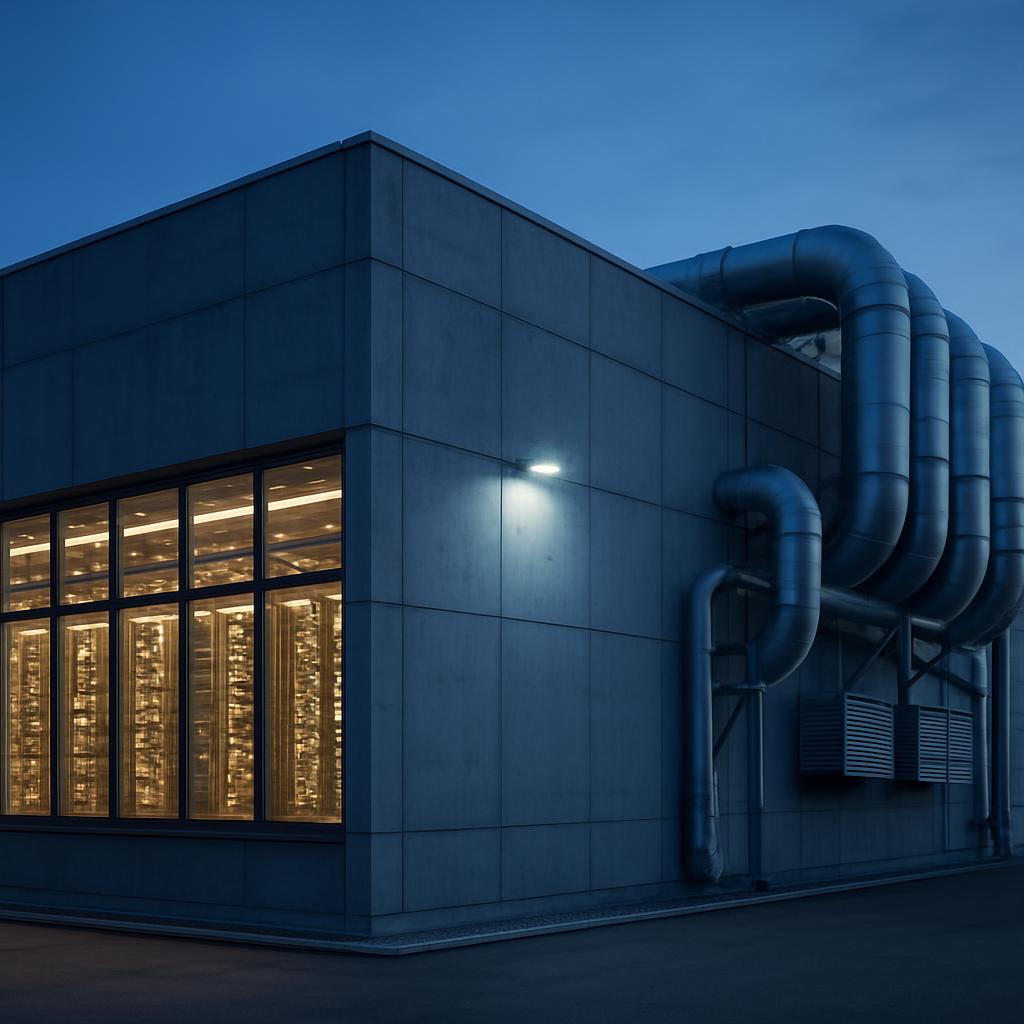
What happens when a data center is built near you?
When a data center is built in a neighborhood, several things usually happen. Construction crews first prepare the land, which can mean months of trucks, noise, and dust. Once built, the data center needs a large and steady supply of electricity, which can affect the local power grid. Many data centers also use water to keep their computers cool, so nearby communities may notice changes in water use. On the positive side, data centers often bring some new jobs during construction and for ongoing maintenance and security. They can also add to the local tax base, which may help fund schools or roads. However, some residents raise concerns about noise from cooling fans and backup generators, as well as changes to the look and feel of the area. Local governments often hold public meetings before approving these projects, so residents can share questions or concerns about traffic, environmental impact, and long-term effects on the community.
What is the biggest issue with data centers?
The biggest issue most people point to is energy use. Data centers run thousands of computers nonstop, and all of that computing power needs a huge and steady stream of electricity. This demand can strain local power grids, especially in areas where many data centers are built close together. Cooling is another major concern, since keeping servers from overheating often requires large amounts of water or additional electricity for air conditioning systems. As more people use cloud storage, streaming, and artificial intelligence tools, the demand for data centers keeps growing, which increases pressure on energy and water resources. Communities and companies are exploring ways to make data centers more efficient, such as using renewable energy sources or advanced cooling methods, but balancing digital growth with resource use remains a central challenge.
What are the big 3 data centers?
When people refer to the "big three" in the data center world, they are usually talking about the three largest cloud computing providers: Amazon Web Services (AWS), Microsoft Azure, and Google Cloud. These companies operate massive networks of data centers around the world to power websites, apps, business software, and artificial intelligence tools for millions of customers. Each company owns and runs many individual data center buildings across different countries, rather than a single site. Because of their size and reach, these three companies play a major role in how much of the world's digital information is stored and processed daily.
Why Data Centers Matter to Everyone
Data centers are the quiet engines behind nearly everything we do online, from sending messages to streaming shows to using apps powered by artificial intelligence. As demand for digital services grows, so does the need for these facilities, along with the electricity and water they require. Understanding how data centers work, and the trade-offs they bring, helps communities make informed decisions when new ones are proposed nearby.