
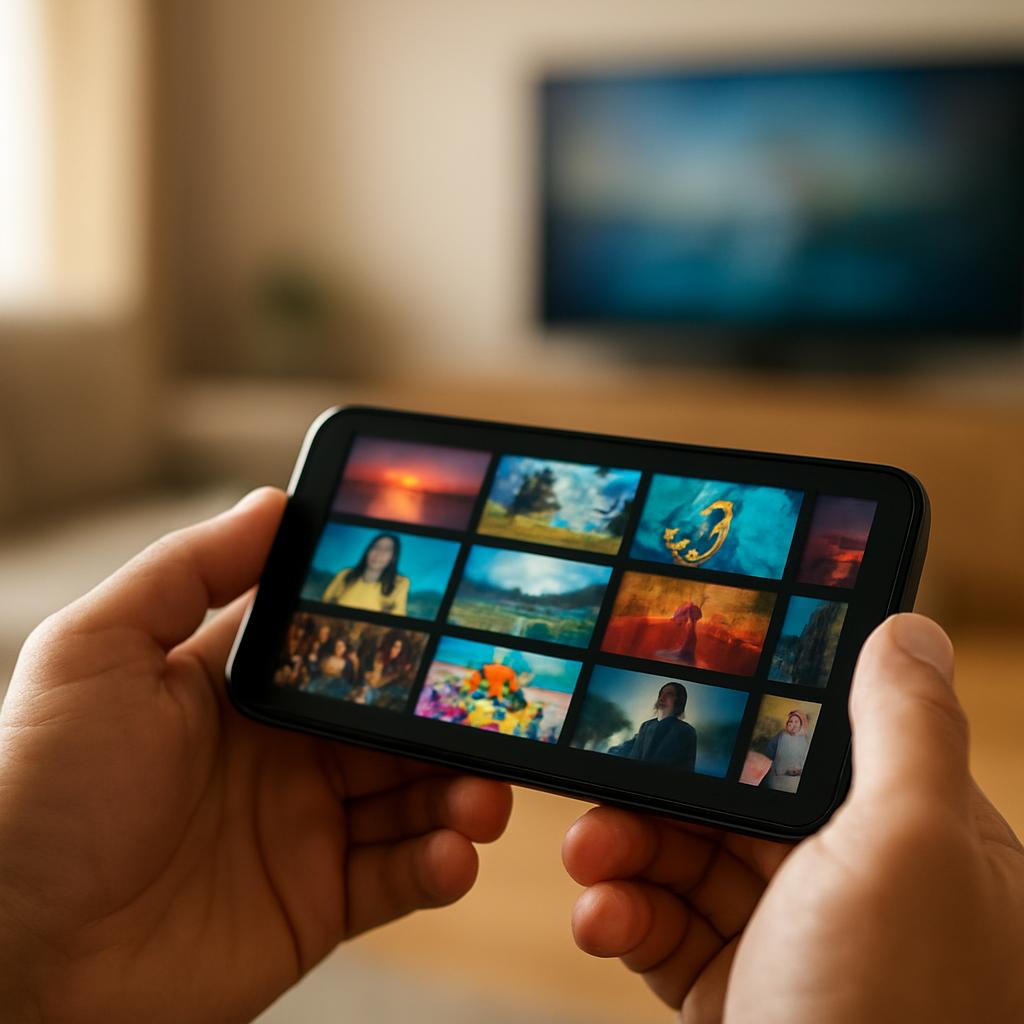
Yes, 5G is generally good for streaming TV. The technology's higher bandwidth and lower latency compared to 4G LTE make it capable of handling high-definition and even 4K video streams without the buffering issues that plagued earlier mobile networks. For most users watching shows or movies on a phone, tablet, or 5G-connected television, the experience should feel smooth and responsive, provided the connection is strong and stable.
The reason 5G performs well for streaming comes down to two technical advantages: speed and latency. Streaming services like Netflix, YouTube, and Disney+ require a steady, sufficient data flow to avoid interruptions, and 5G networks are built to deliver significantly more bandwidth than 4G in ideal conditions. Lower latency, meanwhile, reduces the delay between a device requesting data and receiving it, which helps minimize the loading spinner that sometimes appears when starting a video or skipping ahead in a show.
That said, not all 5G is created equal, and this is where the caveats come in. Carriers typically offer different tiers of 5G service. Low-band 5G, which covers wide areas and penetrates buildings well, offers speeds not dramatically different from good 4G LTE. Mid-band 5G, now the most common type in many areas, provides a solid balance of speed and coverage that comfortably supports HD and often 4K streaming. High-band or 'millimeter wave' 5G delivers extremely fast speeds but has limited range and struggles to penetrate walls, meaning it's mostly useful in dense urban areas, stadiums, or other high-traffic locations rather than as a reliable home connection.
This means the quality of your streaming experience over 5G depends heavily on which version of the network you're actually connected to, something most people don't see or control directly. A phone showing a '5G' icon in a rural area or inside a concrete building might be running on a slower variant that performs similarly to decent 4G, while someone standing near a 5G tower in a city center could stream 4K content with no issues at all.
Network congestion is another factor. 5G networks are designed to handle more simultaneous users than 4G, but in practice, performance can still dip during peak usage times, such as evenings when many people in the same area are streaming video, gaming online, or making video calls. Carriers also sometimes apply traffic management policies, including video stream resolution caps on certain mobile plans, which can limit the quality of streamed content even if the network itself could support higher resolutions.
Data usage is a practical consideration that often gets overlooked. Streaming video, especially in HD or 4K, consumes a substantial amount of data, and many mobile plans still include data caps or throttle speeds after a certain threshold is reached. Someone with an unlimited 5G plan may be able to stream for hours without worry, while a person on a limited data plan could burn through their monthly allowance quickly, particularly if streaming in high resolution regularly. It's worth checking plan details before relying on 5G as a primary way to watch TV.
5G has also enabled a newer category of home internet service known as 5G home internet or fixed wireless access, which some carriers market as an alternative to traditional cable or fiber broadband. For many households, especially those without access to fast wired internet, this can be a genuinely good option for streaming TV on a television set, since it often comes with higher data allowances and more consistent speeds than a standard mobile phone plan. However, performance can still vary based on proximity to a 5G tower and the number of other users sharing that connection in the area.
For comparison, home Wi-Fi backed by cable or fiber broadband generally remains more consistent for streaming than mobile 5G, particularly for sustained, high-resolution viewing on a big screen. Fixed broadband connections are typically less susceptible to the kind of variability caused by physical obstacles, distance from towers, or shifting network congestion that mobile networks experience. That doesn't mean 5G is inferior across the board; rather, it tends to shine for on-the-go streaming, such as watching a show on a commute or while traveling, where Wi-Fi isn't available.
The practical takeaway is that 5G is a legitimate option for streaming TV, and in many cases, a very good one, but results will vary by location, carrier, plan, and time of day. Anyone considering relying on 5G as their main way to stream, whether on a phone or through a 5G home internet setup, should check their specific coverage quality in their area, review their data plan's limits, and test real-world performance before fully committing to it as a replacement for traditional broadband.